Availability: 100 In Stock
ASUS ROG STRIX Z890-A GAMING WIFI, Intel, LGA 1851 (Socket V1), Intel Core Ultra (Series 2), DDR5-SDRAM, 192 GB, DIMM











Ci sono 509 prodotti.
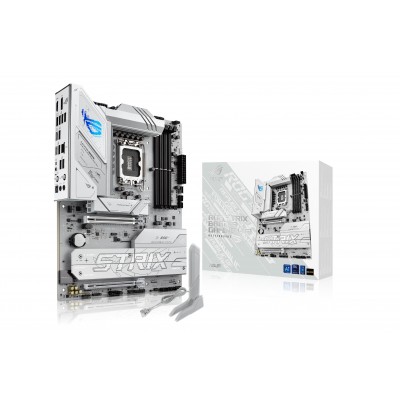
ASUS ROG STRIX Z890-A GAMING WIFI, Intel, LGA 1851 (Socket V1), Intel Core Ultra (Series 2), DDR5-SDRAM, 192 GB, DIMM
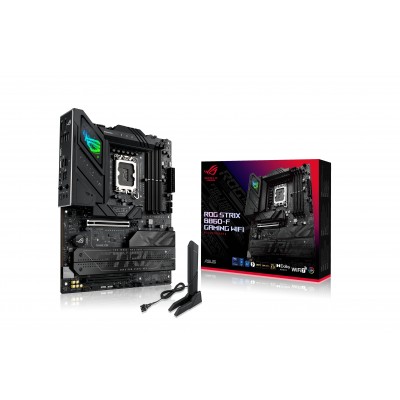
ASUS ROG STRIX B860-F GAMING WIFI, Intel, LGA 1851 (Socket V1), Intel Core Ultra (Series 2), DDR5-SDRAM, 256 GB, DIMM
ASUS ROG STRIX B860-A GAMING WIFI, Intel, LGA 1851 (Socket V1), Intel Core Ultra (Series 2), DDR5-SDRAM, 256 GB, DIMM
ASUS ROG MAXIMUS Z890 EXTREME, Intel, LGA 1851 (Socket V1), Intel Core Ultra (Series 2), DDR5-SDRAM, 192 GB, DIMM
Sapphire PULSE A620AM, AMD, Socket AM5, AMD Ryzen 7000 Series, AMD Ryzen 8000 Series, AMD Ryzen 9000 Series, Socket AM5, DDR5-SDRAM, 64 GB
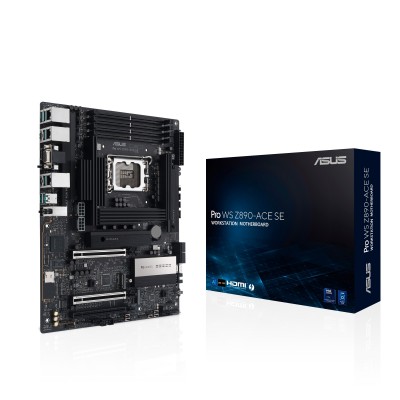
ASUS PRO WS Z890-ACE SE, Intel, LGA 1851 (Socket V1), Intel Core Ultra (Series 2), LGA 1851, DDR5-SDRAM, 256 GB
MSI PRO Z890-A WIFI, Intel, LGA 1851 (Socket V1), Intel Core Ultra (Series 2), LGA 1851, 256 GB, DDR5-SDRAM
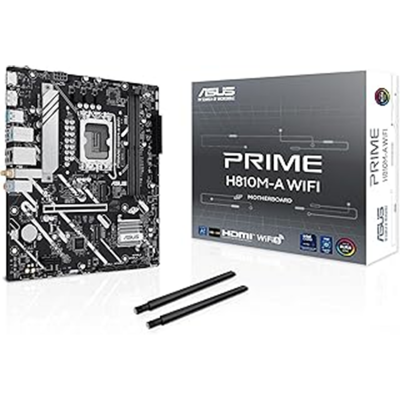
ASUS PRIME H810M-A WIFI, Intel, LGA 1851 (Socket V1), Intel Core Ultra (Series 2), LGA 1851, DDR5-SDRAM, 128 GB
ASUS PRIME H810M-A-CSM, Intel, LGA 1851 (Socket V1), Intel Core Ultra (Series 2), LGA 1851, DDR5-SDRAM, 128 GB
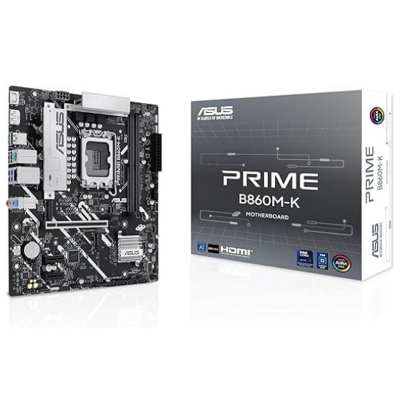
ASUS PRIME B860M-K, Intel, LGA 1851 (Socket V1), Intel Core Ultra (Series 2), LGA 1851, DDR5-SDRAM, 128 GB
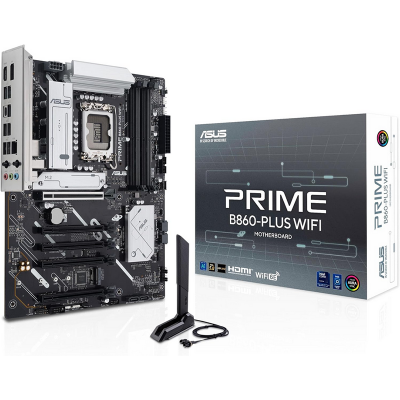
ASUS PRIME B860-PLUS WIFI, Intel, LGA 1851 (Socket V1), Intel Core Ultra (Series 2), LGA 1851, DDR5-SDRAM, 256 GB
MSI B550 GAMING WIFI, AMD, Socket AM4, AMD Ryzen 3000 Series, AMD Ryzen 5000 Series, AMD Ryzen 7000 Series, DDR4-SDRAM, 128 GB, DIMM
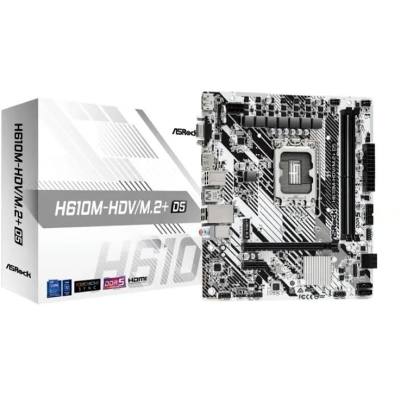
Asrock H610M-HDV/M.2+ D5, Intel, LGA 1700, DDR5-SDRAM, 96 GB, DIMM, Dual-channel
Asrock H610M-H2/M.2 D5, Intel, LGA 1700, DDR5-SDRAM, 96 GB, DIMM, Dual-channel
Asrock B860M-X, Intel, LGA 1851 (Socket V1), Intel Core Ultra (Series 2), DDR5-SDRAM, 128 GB, DIMM
Asrock B860M Steel Legend WiFi, Intel, LGA 1851 (Socket V1), Intel Core Ultra (Series 2), DDR5-SDRAM, 256 GB, DIMM
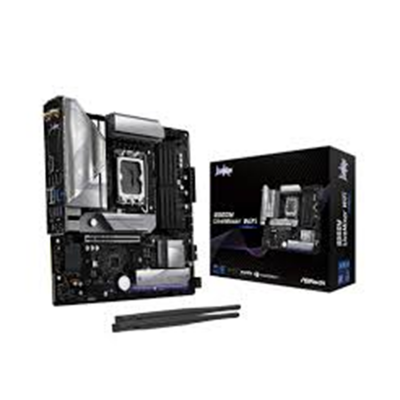
Asrock B860M LiveMixer WiFi, Intel, LGA 1851 (Socket V1), DDR5-SDRAM, 256 GB, DIMM, Dual-channel
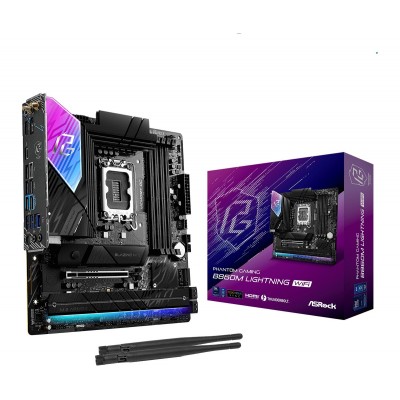
Asrock B860M Lightning WiFi, Intel, LGA 1851 (Socket V1), Intel Core Ultra (Series 2), DDR5-SDRAM, 256 GB, DIMM
Asrock B860I WiFi, Intel, LGA 1851 (Socket V1), DDR5-SDRAM, 128 GB, DIMM, Dual-channel
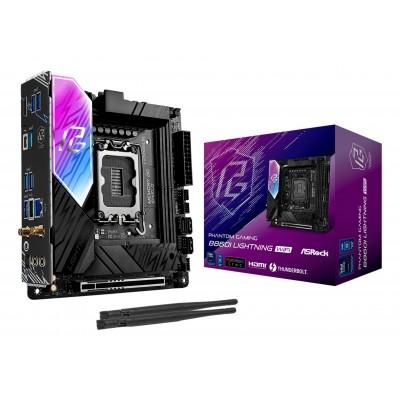
Asrock B860I Lightning WiFi, Intel, LGA 1851 (Socket V1), DDR5-SDRAM, 128 GB, DIMM, Dual-channel
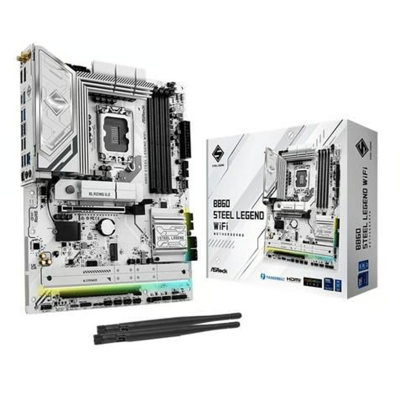
Asrock B860 Steel Legend WiFi, Intel, LGA 1851 (Socket V1), Intel Core Ultra (Series 2), LGA 1851, DDR5-SDRAM, 256 GB
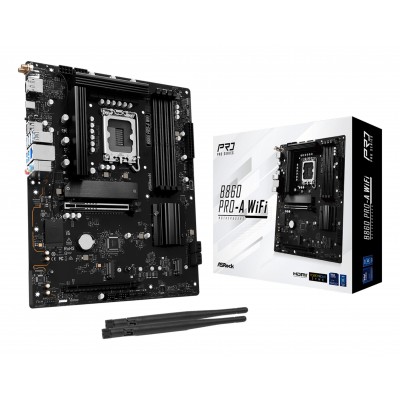
Asrock B860 Pro-A WiFi, Intel, LGA 1851 (Socket V1), DDR5-SDRAM, 256 GB, DIMM, Dual-channel
Asrock B860 Pro-A, Intel, LGA 1851 (Socket V1), DDR5-SDRAM, 256 GB, DIMM, Dual-channel
Asrock B860 Pro RS WiFi, Intel, LGA 1851 (Socket V1), Intel Core Ultra (Series 2), DDR5-SDRAM, 256 GB, DIMM
Domande frequenti su Schede madri
La scheda madre è il cuore di ogni computer. Collega e coordina processore, memoria RAM, scheda grafica e tutte le altre periferiche del sistema.
Scegliere la scheda madre giusta permette di garantire stabilità, prestazioni elevate ed espandibilità al proprio computer.
Prima dell’acquisto è importante valutare compatibilità con il processore, chipset, funzionalità, memoria RAM supportata ed espandibilità.
Le schede madri sono progettate per supportare specifici socket Intel o AMD. Per questo è sempre importante verificare la compatibilità con la CPU scelta.
Il chipset determina le capacità della scheda madre, tra cui il supporto all’overclock, al PCIe di nuova generazione e il numero di porte disponibili.
Ogni scheda madre ha limiti di capacità e velocità per la RAM. Alcuni modelli supportano DDR4, altri DDR5.
Una scheda madre con un buon numero di connettori è utile quando servono più slot PCIe per schede video o unità di archiviazione extra.
Una scheda madre gaming è progettata per i giocatori e può offrire supporto a tecnologie avanzate come PCIe 4.0, RAM ad alta velocità e dissipazione potenziata per overclocking.
Sì, le schede madri gaming sono pensate per chi vuole ottenere il massimo delle prestazioni nei videogiochi.
Le schede madri per PC da lavoro sono pensate per workstation e garantiscono stabilità, connessioni multiple e buona gestione energetica. Sono indicate per chi utilizza software di grafica, rendering o programmazione.
Una scheda madre economica è adatta a chi cerca un equilibrio tra prestazioni e prezzo. È una soluzione indicata per PC da ufficio o per utenti che non hanno bisogno di funzionalità avanzate.